188 indexed · 188 with a record
Peptide records
Every compound we hold something on. Where a record is thin the page says which fields are empty and why, rather than leaving a heading with nothing under it.
Last updated
| Compound | Category | Strongest rung | Citations | Half-life | Regulatory | Summary |
|---|---|---|---|---|---|---|
| 5-Amino-1MQ | animal in vivo | 10 | 6.9 h | — | Body composition support through NNMT pathway modulation. | |
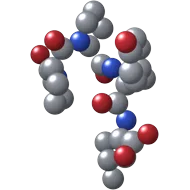 Acetyl Tetrapeptide-11 Acetyl Tetrapeptide-11 |
|
in vitro | 4 | — | Cosmetic ingredient | A synthetic cosmetic tetrapeptide studied in vitro for epidermal firmness and cell adhesion. |
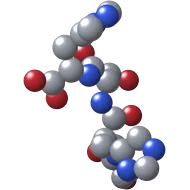 Acetyl Tetrapeptide-5 Acetyl Tetrapeptide-5 |
|
human observational | 6 | — | Cosmetic ingredient | A topical tetrapeptide studied for periorbital puffiness, capillary leakage, and collagen glycation. |
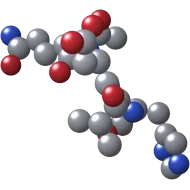 Acetyl Tetrapeptide-9 Acetyl Tetrapeptide-9 |
|
human RCT | 6 | — | Cosmetic ingredient | A topical tetrapeptide studied for dermal density, skin thickness, and collagen organisation. |
| Adamax |
|
no sources yet | — | — | — | A high-potency Semax-family signal for focus and drive. |
| Adiponectin | human observational | 11 | — | Human research reportedunverified | An endogenous adipokine from fat tissue, studied as an insulin-sensitivity and cardiometabolic marker. | |
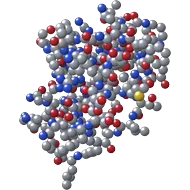 Adrenomedullin Adrenomedullin |
|
animal in vivo | 3 | 22 min | In or past clinical trialsverified | An endogenous vasodilator peptide studied in sepsis, heart failure, and vascular barrier research. |
| Agouti-Related Protein (AgRP) |
|
animal in vivo | 6 | — | Endogenous — not a therapeutic | An endogenous hypothalamic peptide that drives feeding, studied as an energy-balance and glucocorticoid marker. |
 Amylin Amylin |
animal in vivo | 4 | 20 min | In or past clinical trialsverified | A pancreatic beta-cell hormone co-secreted with insulin; its analogues are studied for glycaemia and weight. | |
 Angiotensin (1-7) Angiotensin (1-7) |
|
human RCT | 2 | — | In or past clinical trialsverified | A counter-regulatory renin-angiotensin peptide studied in COVID-19, vascular disease, and fibrosis. |
 Angiotensin I Angiotensin I |
human observational | 11 | — | Human research reportedunverified | The inactive decapeptide precursor of the renin-angiotensin system, used mainly as a research probe. | |
 Angiotensin II Angiotensin II |
|
human RCT | 1 | — | FDA approved | An endogenous vasoconstrictor peptide, approved as an intravenous vasopressor for septic and distributive shock. |
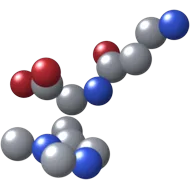 Anserine Anserine |
|
human RCT | 6 | — | Human research reportedunverified | A histidine dipeptide from meat and fish, studied for pH buffering, antioxidant, and exercise research. |
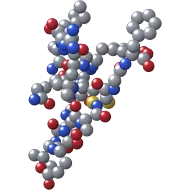 AOD-9604 AOD-9604 |
human case series | 6 | — | Human research reportedunverified | A GH-fragment signal used for fat-mobilization research. | |
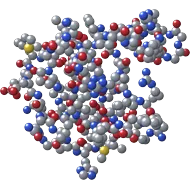 Apelin Apelin |
|
animal in vivo | 4 | — | In or past clinical trialsverified | An endogenous cardiovascular peptide studied for cardiac contractility, vasodilation, and heart failure. |
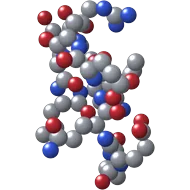 ARA-290 ARA-290 |
|
animal in vivo | 7 | 2 min | — | A tissue-protective signal studied for nerve irritation and repair. |
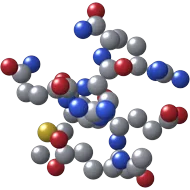 Argireline (Acetyl Hexapeptide-3) Argireline (Acetyl Hexapeptide-3) |
|
human RCT | 4 | — | In or past clinical trialsverified | A topical hexapeptide studied as a non-injectable approach to expression lines and skin quality. |
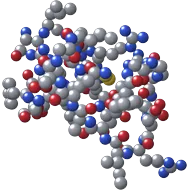 Atrial Natriuretic Peptide (ANP) Atrial Natriuretic Peptide (ANP) |
|
animal in vivo | 3 | 4 min | In or past clinical trialsverified | A cardiac hormone released on atrial stretch, studied for natriuresis, diuresis, and heart failure. |
| Bactericidal/Permeability-Increasing Protein (BPI) |
|
human RCT | 3 | — | In or past clinical trialsverified | A neutrophil granule protein studied for Gram-negative bactericidal activity and endotoxin neutralisation. |
| Bacteriocins |
|
animal in vivo | 6 | — | Preclinical / research only | Ribosomally made antimicrobial peptides from bacteria, studied as food preservatives and antibiotic alternatives. |
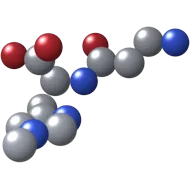 Balenine Balenine |
|
animal in vivo | 6 | — | Preclinical / research only | A histidine dipeptide abundant in whale and pig muscle, studied for antioxidant and muscle-recovery research. |
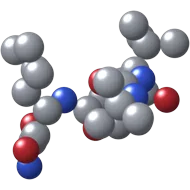 Boceprevir Boceprevir |
|
human RCT | 3 | — | FDA approved | An oral hepatitis C protease inhibitor approved for chronic genotype 1 infection. |
 Bombesin Bombesin |
|
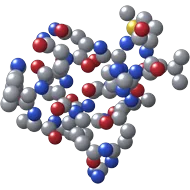
human observational | 4 | — | In or past clinical trialsverified | A fourteen-amino-acid amphibian peptide studied for satiety, gastrointestinal hormone release, and tumour imaging. |
 BPC-157 BPC-157 |
|
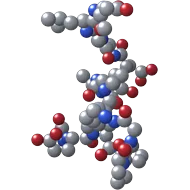
animal in vivo | 3 | 15 min | In or past clinical trialsverified | A broad repair signal for tissue, gut barrier, and recovery research. |
 Bradykinin Bradykinin |
|
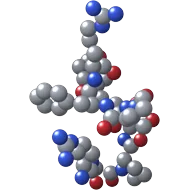
human observational | 10 | — | Human research reportedunverified | An endogenous kinin peptide studied for vasodilation, vascular permeability, pain, and angioedema. |
 Brain Natriuretic Peptide (BNP) Brain Natriuretic Peptide (BNP) |
|
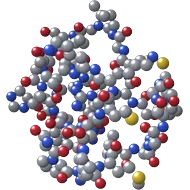
human observational | 3 | — | In or past clinical trialsverified | A ventricular hormone released on cardiac wall stress, used as a heart failure marker and studied as an infusion. |
| Brinp-2 Related Peptide (BRP) | animal in vivo | 1 | — | Preclinical / research only | A twelve-amino-acid brain peptide from BRINP2, studied in mice and pigs for reduced food intake. | |
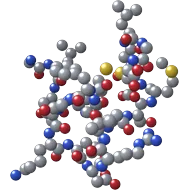 C-Type Natriuretic Peptide (CNP) C-Type Natriuretic Peptide (CNP) |
|
human RCT | 8 | 3 min | Human research reportedunverified | A natriuretic peptide from endothelium and cartilage, studied for bone growth and vascular tone. |
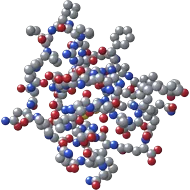 Cagrilintide Cagrilintide |
human RCT | 11 | 1.1 wk | Human research reportedunverified | A long-acting amylin analogue studied for weight loss, alone and combined with semaglutide. | |
| Carnosic Acid |
|
animal in vivo | 5 | — | Cosmetic ingredient | A rosemary-derived phenolic diterpene, not a peptide, studied topically for wound repair and fibrosis. |
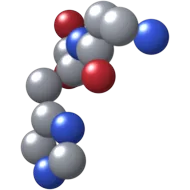 Carnosine Carnosine |
|
human RCT | 10 | — | Human research reportedunverified | A muscle dipeptide of beta-alanine and histidine, studied for buffering, antioxidant, and endurance research. |
| CART (Cocaine- and Amphetamine-Regulated Transcript) |
|
human observational | 6 | — | Endogenous — not a therapeutic | An endogenous hypothalamic neuropeptide studied as an anorectic signal downstream of leptin. |
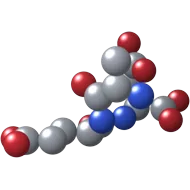 Cartalax Cartalax |
|
human observational | 2 | — | — | A cartilage-support peptide positioned for joint-comfort research. |
| Cartilage Peptides |
|
animal in vivo | 3 | — | In or past clinical trialsverified | Hydrolysed fish or animal cartilage supplying collagen peptides and chondroitin sulphate, studied for knee comfort. |
| Cecropins |
|
in vitro | 6 | — | Preclinical / research only | A family of insect antimicrobial peptides, first isolated from moth pupae, studied against bacteria. |
| Cerebrolysin |
|
human RCT | 10 | — | Approved outside the USsource claim, unverified | A porcine brain peptide and amino-acid preparation studied in stroke recovery and dementia. |
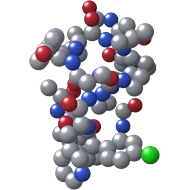 Cetrorelix Cetrorelix |
|
human RCT | 3 | 7.5 h | FDA approved | A synthetic GnRH antagonist decapeptide used to prevent premature LH surges during ovarian stimulation. |
| Chemerin |
|
human observational | 5 | — | Preclinical / research only | An adipokine and chemoattractant protein studied as a marker of obesity, insulin resistance, and inflammation. |
| Cholecystokinin (CCK) |
|
animal in vivo | 9 | — | Human research reportedunverified | A gut hormone from intestinal I cells, studied for gallbladder contraction, digestion, and satiety. |
| CJC-1295 DAC |
|
human RCT | 11 | 6.9 d | — | A longer-acting GHRH analog for pulsatile GH-axis research. |
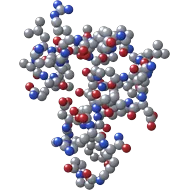 CJC-1295 no-DAC CJC-1295 no-DAC |
|
review or editorial | 8 | 7 min | — | A short-acting GHRH analog used for daily GH-pulse modeling. |
| Collagen Peptides |
|
human observational | 4 | — | In or past clinical trialsverified | Hydrolysed collagen taken orally, studied for skin elasticity, hydration, wound healing, and joint outcomes. |
| Cortexin |
|
human RCT | 3 | — | Approved outside the USsource claim, unverified | A low-molecular-weight polypeptide fraction from cattle brain cortex, given intramuscularly and studied in stroke and encephalopathy. |
| CRH (Corticotropin-Releasing Hormone) |
|
human observational | 10 | — | Human research reportedunverified | The hypothalamic 41-amino-acid stress hormone, given intravenously as a diagnostic test of pituitary-adrenal function. |
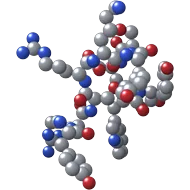 Decapeptide-12 Decapeptide-12 |
|
human RCT | 6 | — | Cosmetic ingredient | A synthetic cosmetic decapeptide applied topically and studied for melasma and post-inflammatory hyperpigmentation. |
| Defensins |
|
in vitro | 3 | — | Preclinical / research only | A family of endogenous cationic host-defence peptides, studied as antimicrobials and as templates for synthetic mimetics. |
| Dermcidin |
|
animal in vivo | 5 | — | Endogenous — not a therapeutic | An antimicrobial peptide secreted constitutively in human sweat, studied as part of innate skin defence. |
| DHEA |
|
human RCT | 7 | a bound, not a value | FDA approved | DHEA is an endogenous adrenal steroid that is not itself strongly androgenic; it is converted in peripheral tissue into androgens and oestrogens. It occupies three different regulatory objects at once: an oral over-the-counter dietary supplement in the United States, a prescription-only vaginal insert (prasterone, 6.5 mg) approved by the FDA in 2016 and the European Commission in 2018 for dyspareunia due to menopausal vulvar and vaginal atrophy, and a substance prohibited in sport at all times. The registrational evidence belongs to the vaginal insert and to a single indication; it does not transfer to oral supplement use. |
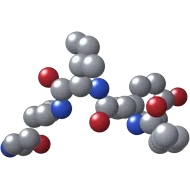 Dihexa Dihexa |
|
animal in vivo | 2 | — | Preclinical / research only | An orally active angiotensin IV analogue studied in rodent models of cognitive impairment; no validated human data. |
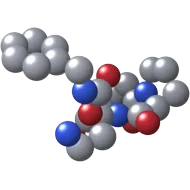 Dipeptide Diaminobutyroyl Benzylamide Diacetate Dipeptide Diaminobutyroyl Benzylamide Diacetate |
|
human observational | 6 | — | Cosmetic ingredient | A synthetic cosmetic dipeptide modelled on snake venom, applied topically and studied for expression wrinkles. |
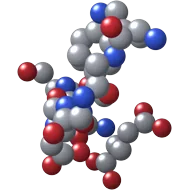 DSIP DSIP |
|
animal in vivo | 6 | 4 min | — | A sleep-onset and circadian-support peptide signal. |
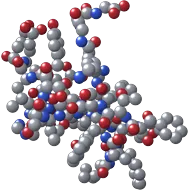 Dulaglutide Dulaglutide |
human RCT | 6 | 5 d | FDA approved | A once-weekly GLP-1 receptor agonist approved for type 2 diabetes and studied for cardiovascular outcomes. | |
| Dynorphin A |
|
animal in vivo | 3 | — | In or past clinical trialsverified | An endogenous opioid peptide from prodynorphin, studied in pain, addiction, and stress-response research. |
| Elabela |
|
animal in vivo | 5 | 13 min | Preclinical / research only | An endogenous apelin receptor ligand, studied preclinically in cardiovascular, renal, and embryonic development research. |
| Elastin Peptides |
|
human RCT | 1 | — | Human research reportedunverified | Hydrolysed elastin used orally or topically, studied for skin elasticity and biophysical skin properties. |
| β-Endorphin |
|
human observational | 6 | — | Human research reportedunverified | An endogenous opioid peptide cleaved from pro-opiomelanocortin, studied in pain, stress, and eating-behaviour research. |
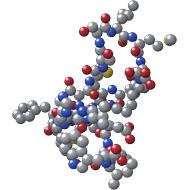 Endothelin-1 Endothelin-1 |
|
human observational | 11 | — | Human research reportedunverified | A 21-amino-acid peptide released by vascular endothelium, studied as a vasoconstrictor and cardiovascular marker. |
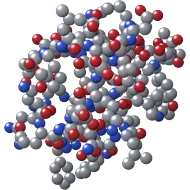 Enfuvirtide Enfuvirtide |
|
human RCT | 3 | 1.6 h | FDA approved | A 36-amino-acid HIV-1 fusion inhibitor approved for treatment-experienced patients with drug-resistant infection. |
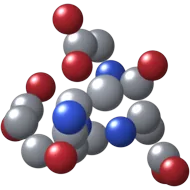 Epitalon Epitalon |
|
animal in vivo | 7 | — | Human research reportedunverified | A circadian and longevity-oriented peptide signal. |
| Estradiol |
|
human RCT | 5 | 2.7 h | FDA approved | Estradiol is the principal endogenous oestrogen in humans and a small-molecule steroid, not a peptide. It is an approved prescription medicine in the United States, with FDA labelling for moderate to severe vasomotor symptoms, vulvar and vaginal atrophy, hypoestrogenism due to hypogonadism, castration or primary ovarian failure, prevention of postmenopausal osteoporosis, and palliation of advanced breast and prostate cancer. Its labelling carries a boxed warning covering endometrial cancer, cardiovascular disorders, probable dementia and breast cancer. |
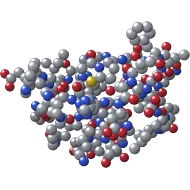 Exenatide Exenatide |
human RCT | 3 | 2.4 h | FDA approved | A synthetic exendin-4 GLP-1 receptor agonist approved for glycaemic control in type 2 diabetes. | |
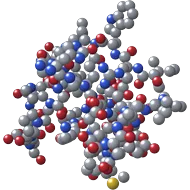 Exendin-4 Exendin-4 |
human RCT | 3 | 1.8 h | In or past clinical trialsverified | A 39-amino-acid peptide from Gila monster venom, the parent molecule of exenatide, studied in diabetes. | |
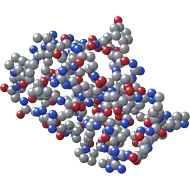 FOXO4-DRI FOXO4-DRI |
|
in vitro | 6 | — | Preclinical / research only | A preclinical senolytic research peptide. |
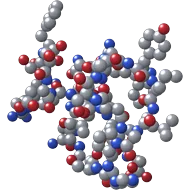 Galanin Galanin |
|
human observational | 6 | — | Human research reportedunverified | A widely distributed neuropeptide studied in feeding, nociception, mood, and gastrointestinal and pancreatic function. |
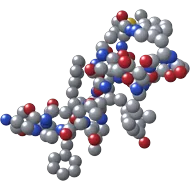 Galantide Galantide |
|
animal in vivo | 6 | — | Preclinical / research only | A chimeric research peptide joining galanin and substance P fragments, used as a galanin receptor antagonist. |
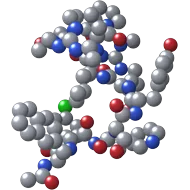 Ganirelix Ganirelix |
|
human RCT | 3 | 13 h | FDA approved | A synthetic GnRH antagonist used in assisted reproduction to prevent premature luteinising hormone surges. |
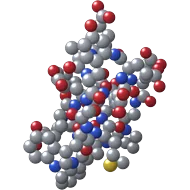 Gastrin Gastrin |
|
human observational | 10 | — | Human research reportedunverified | A gastric antral hormone studied for acid secretion, mucosal growth, and neuroendocrine tumour physiology. |
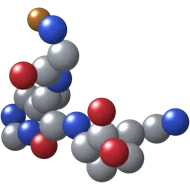 GHK-Cu GHK-Cu |
|
human observational | 7 | — | In or past clinical trialsverified | A copper-bound tripeptide applied topically, studied for skin remodelling, collagen synthesis, and wound repair. |
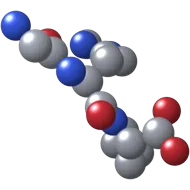 GHK (Glycyl-L-Histidyl-L-Lysine) GHK (Glycyl-L-Histidyl-L-Lysine) |
|
human observational | 7 | — | Cosmetic ingredient | A naturally occurring plasma tripeptide, studied topically and in gene-expression work on tissue repair. |
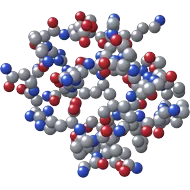 Ghrelin Ghrelin |
human observational | 11 | 11 min | Human research reportedunverified | A stomach-derived hormone studied for appetite, growth hormone release, and energy balance. | |
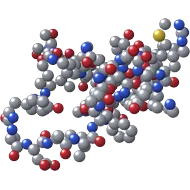 GHRH (Growth Hormone-Releasing Hormone) GHRH (Growth Hormone-Releasing Hormone) |
|
human observational | 3 | 8 min | In or past clinical trialsverified | The hypothalamic 44-amino-acid releasing hormone that drives pituitary growth hormone secretion. |
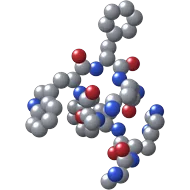 GHRP-1 GHRP-1 |
|
human RCT | 4 | — | In or past clinical trialsverified | A synthetic growth hormone-releasing peptide studied for growth hormone secretion in animals and humans. |
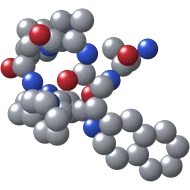 GHRP-2 GHRP-2 |
|
human observational | 5 | 33 min | Human research reportedunverified | A legacy ghrelin-receptor signal for GH-pulse comparison. |
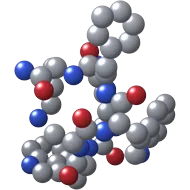 GHRP-6 GHRP-6 |
|
animal in vivo | 6 | 2.5 h | Human research reportedunverified | An older appetite-forward GH secretagogue signal. |
| GIP (Gastric Inhibitory Peptide) |
|
human observational | 6 | — | Human research reportedunverified | An incretin hormone released by intestinal K cells, studied in insulin secretion and fat metabolism. |
 GLP-1 (7-36) GLP-1 (7-36) |
review or editorial | 3 | 2 min | In or past clinical trialsverified | The active incretin fragment of proglucagon, studied for insulin secretion, appetite, and gastric emptying. | |
 GLP-2 (Teduglutide) GLP-2 (Teduglutide) |
|
human RCT | 3 | — | FDA approved | A degradation-resistant GLP-2 analogue approved for short bowel syndrome with intestinal failure. |
 Glutathione Glutathione |
|
human RCT | 11 | — | Human research reportedunverified | A foundational redox and detoxification support molecule. |
 GnRH (Gonadotropin-Releasing Hormone) GnRH (Gonadotropin-Releasing Hormone) |
|
human RCT | 10 | — | Human research reportedunverified | The hypothalamic decapeptide driving pituitary gonadotropin release, used diagnostically and by pulsatile pump. |
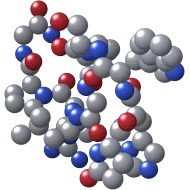 Gonadorelin Gonadorelin |
|
human RCT | 11 | — | Human research reportedunverified | Synthetic GnRH with the identical natural sequence, used to test pituitary gonadotroph function. |
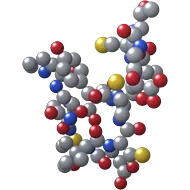 Guanylin Guanylin |
|
animal in vivo | 7 | — | Human research reportedunverified | An endogenous intestinal peptide studied for fluid secretion and as template for guanylate cyclase C agonists. |
| hCG |
|
human observational | 5 | — | — | A gonadotropin signal for testicular and fertility-axis research. |
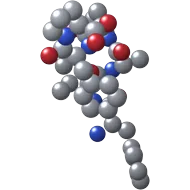 Hexapeptide-11 Hexapeptide-11 |
|
human RCT | 5 | — | Cosmetic ingredient | A yeast-derived cosmetic hexapeptide applied topically and studied for skin firmness and cellular senescence. |
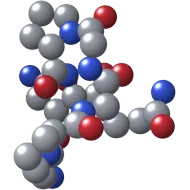 Hexapeptide-9 Hexapeptide-9 |
|
human RCT | 5 | — | Cosmetic ingredient | A collagen-derived cosmetic hexapeptide applied topically and studied against wrinkles and visible skin ageing. |
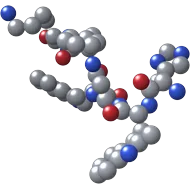 Hexarelin Hexarelin |
|
animal in vivo | 6 | 1.1 h | Human research reportedunverified | A synthetic hexapeptide growth hormone secretagogue, studied for growth hormone release and cardiac protection. |
| hGH |
|
human observational | 5 | 3.4 h | — | A master anabolic hormone signal for GH/IGF-axis research. |
| HGH Frag 176-191 | animal in vivo | 9 | — | No approved product in any jurisdiction; rodent-stage evidence only | The last sixteen residues of human growth hormone, sold on the claim that they carry the hormone's fat-metabolising action without its effect on blood glucose. The published work behind that claim is rodent, and most of it was done on the fifteen-residue peptide hGH 177-191 or on AOD9604, a tyrosine-substituted analogue that is a different molecule. | |
| Histatins |
|
human observational | 6 | — | Human research reportedunverified | A family of human salivary peptides studied for antifungal defence against Candida and oral wound healing. |
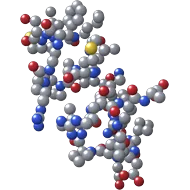 Humanin Humanin |
|
human observational | 6 | — | Preclinical / research only | A mitochondrially encoded 24-residue peptide studied for cytoprotection, neuroprotection, and metabolic ageing. |
| Hyaluronic Acid Binding Peptide |
|
animal in vivo | 6 | — | Preclinical / research only | A synthetic peptide that binds hyaluronic acid, studied in cartilage lubrication and osteoarthritis models. |
| IGF-1 |
|
human observational | 8 | 6 h | Human research reportedunverified | The main mediator of growth hormone action, given as mecasermin for severe primary IGF-1 deficiency. |
| IGF-1 LR3 |
|
human case series | 7 | — | Preclinical / research only | An extended IGF-1 analog studied for myogenic repair signals. |
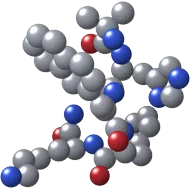 Ipamorelin Ipamorelin |
|
human RCT | 3 | 2 h | In or past clinical trialsverified | A cleaner GH secretagogue signal with lower spillover profile. |
| Irisin |
|
human observational | 11 | 21 min | Endogenous — not a therapeutic | An exercise-induced myokine cleaved from FNDC5, studied as a marker of adipose browning and metabolic health. |
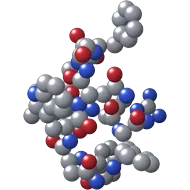 Kisspeptin-10 Kisspeptin-10 |
|
animal in vivo | 3 | — | In or past clinical trialsverified | An HPG-axis peptide signal for reproductive-hormone research. |
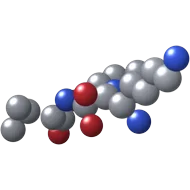 KPV KPV |
|
animal in vivo | 2 | — | Preclinical / research only | An anti-inflammatory peptide fragment for mucosal and swelling research. |
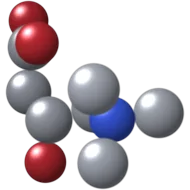 L-Carnitine L-Carnitine |
human RCT | 10 | — | — | A mitochondrial transport nutrient for fat-oxidation and endurance research. | |
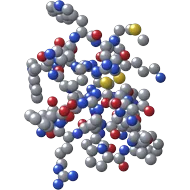 Lactoferricin Lactoferricin |
|
animal in vivo | 4 | — | In or past clinical trialsverified | An antimicrobial fragment of lactoferrin studied against bacteria and Candida, with hLF1-11 taken into human trials. |
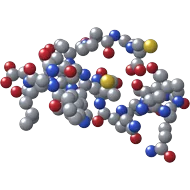 Leptin Leptin |
human RCT | 3 | 26 min | In or past clinical trialsverified | An adipocyte hormone signalling energy stores, given as metreleptin for generalised lipodystrophy and leptin deficiency. | |
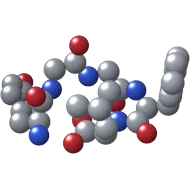 Leu-Enkephalin Leu-Enkephalin |
|
animal in vivo | 6 | — | Human research reportedunverified | An endogenous opioid pentapeptide from proenkephalin, studied in pain, mood, and stress signalling. |
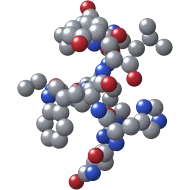 Leuprolide Leuprolide |
|
human RCT | 3 | 3 h | FDA approved | A synthetic GnRH agonist used in prostate cancer, endometriosis, fibroids, and central precocious puberty. |
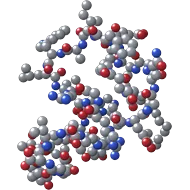 Liraglutide Liraglutide |
human RCT | 5 | 13 h | FDA approved | A once-daily GLP-1 receptor agonist approved for type 2 diabetes and for chronic weight management. | |
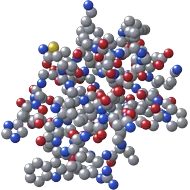 Lixisenatide Lixisenatide |
human RCT | 4 | 3 h | FDA approved | A once-daily short-acting GLP-1 receptor agonist for type 2 diabetes, aimed at post-meal glucose. | |
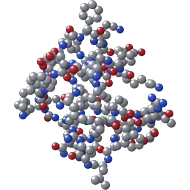 LL-37 (Cathelicidin) LL-37 (Cathelicidin) |
|
human observational | 11 | — | Human research reportedunverified | The only human cathelicidin peptide, studied for antimicrobial action, wound healing, and immune signalling. |
| Magainins |
|
in vitro | 3 | — | In or past clinical trialsverified | Antimicrobial peptides from Xenopus frog skin; the analogue pexiganan reached Phase 3 for infected diabetic ulcers. |
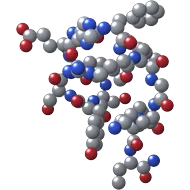 Melanotan I Melanotan I |
|
human RCT | 8 | 15 h | FDA approved | A more MC1R-selective melanocortin signal for photoprotection research. |
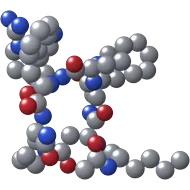 Melanotan II Melanotan II |
|
human observational | 8 | — | Human research reportedunverified | A non-selective melanocortin signal with tanning and appetite/arousal effects. |
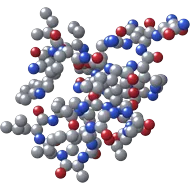 Melittin Melittin |
|
animal in vivo | 6 | — | Preclinical / research only | The main peptide of honeybee venom, studied for membrane-lytic antimicrobial and anticancer activity. |
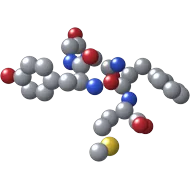 Met-Enkephalin Met-Enkephalin |
|
animal in vivo | 3 | — | In or past clinical trialsverified | An endogenous opioid pentapeptide, also called opioid growth factor, studied in immune modulation and cell proliferation. |
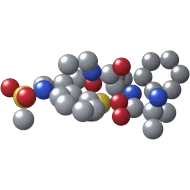 MK-677 MK-677 |
|
human observational | 7 | — | — | An oral ghrelin-receptor GH secretagogue research compound. |
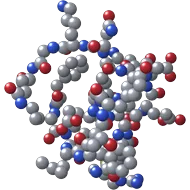 Motilin Motilin |
|
human observational | 6 | — | Human research reportedunverified | A small-intestinal hormone that drives interdigestive gut contractions, studied as a prokinetic target. |
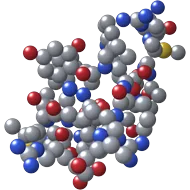 MOTS-c MOTS-c |
|
animal in vivo | 7 | — | Human research reportedunverified | A mitochondrial-derived peptide for metabolic-flexibility research. |
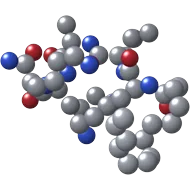 Myristoyl Pentapeptide-17 Myristoyl Pentapeptide-17 |
|
human observational | 5 | — | Cosmetic ingredient | A lipopeptide cosmetic ingredient used in eyelash and eyebrow conditioning products. |
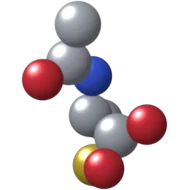 N-Acetylcysteine (NAC) N-Acetylcysteine (NAC) |
|
human observational | 10 | 8 h | Human research reportedunverified | A cysteine prodrug used as a mucolytic and as the antidote for paracetamol overdose. |
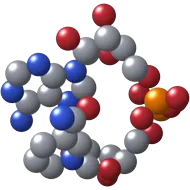 NAD+ Boosting / Precursor Peptides NAD+ Boosting / Precursor Peptides |
|
human RCT | 7 | — | Human research reportedunverified | Small-molecule NAD+ precursors such as nicotinamide riboside and mononucleotide, studied for mitochondrial and ageing endpoints. |
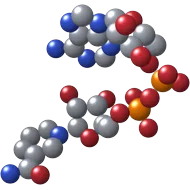 NAD+ NAD+ |
|
animal in vivo | 5 | — | — | A core cellular-energy cofactor for mitochondrial and repair research. |
| Nesfatin-1 | human observational | 7 | — | Endogenous — not a therapeutic | A NUCB2-derived peptide studied as an appetite-suppressing brain signal and a metabolic marker. | |
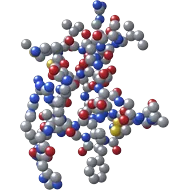 Nesiritide Nesiritide |
|
human RCT | 3 | 20 min | FDA approved | A recombinant human B-type natriuretic peptide given intravenously in acute decompensated heart failure. |
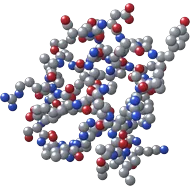 Neuropeptide Y Neuropeptide Y |
|
animal in vivo | 3 | — | In or past clinical trialsverified | An abundant brain and sympathetic neuropeptide studied for stress resilience, anxiety, and appetite. |
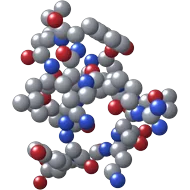 Neurotensin Neurotensin |
|
animal in vivo | 3 | — | In or past clinical trialsverified | A thirteen-residue brain and gut peptide studied in appetite, blood pressure, analgesia, and reward. |
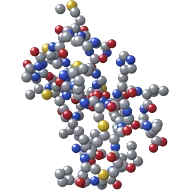 Nisin Nisin |
|
in vitro | 3 | — | In or past clinical trialsverified | A lantibiotic bacteriocin from Lactococcus lactis, long used as a food preservative and studied as an antimicrobial. |
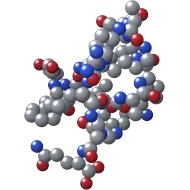 Nociceptin Nociceptin |
|
in vitro | 4 | — | In or past clinical trialsverified | A seventeen-residue opioid-like peptide acting at the NOP receptor, studied in pain, mood, and bladder function. |
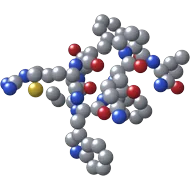 Nonapeptide-1 Nonapeptide-1 |
|
human RCT | 5 | — | Cosmetic ingredient | A synthetic cosmetic peptide used in topical products aimed at hyperpigmentation and uneven tone. |
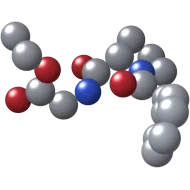 Noopept Noopept |
|
animal in vivo | 11 | — | Approved outside the USsource claim, unverified | A synthetic proline-containing dipeptide developed in Russia and studied preclinically for memory and neuroprotection. |
| Obestatin | human RCT | 6 | — | Preclinical / research only | A 23-residue peptide from the ghrelin precursor whose physiological role remains disputed. | |
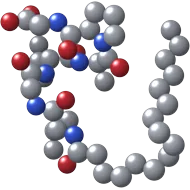 Oligopeptide-34 Oligopeptide-34 |
|
human observational | 3 | — | Cosmetic ingredient | A synthetic cosmetic peptide used in topical products aimed at pigmentation and skin brightness. |
| Omentin |
|
human observational | 5 | — | Endogenous — not a therapeutic | An adipokine secreted mainly by visceral fat, studied as a metabolic and inflammatory marker. |
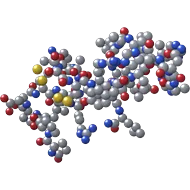 Orexin-A Orexin-A |
|
human observational | 6 | — | Human research reportedunverified | A hypothalamic neuropeptide governing arousal and appetite, deficient in narcolepsy type 1. |
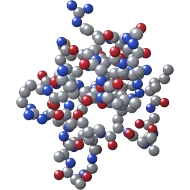 Orexin-B Orexin-B |
animal in vivo | 5 | — | Preclinical / research only | The second hypothalamic orexin peptide, studied for arousal, feeding, and vascular signalling. | |
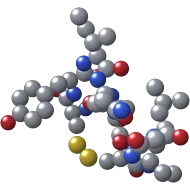 Oxytocin Oxytocin |
|
human observational | 5 | 4 min | In or past clinical trialsverified | A bonding and autonomic-state signal for social-stress research. |
| P21 |
|
animal in vivo | 6 | — | — | A neuroplasticity-oriented peptide for learning and recovery research. |
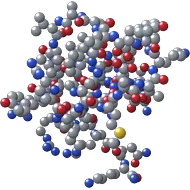 PACAP (Pituitary Adenylate Cyclase-Activating Peptide) PACAP (Pituitary Adenylate Cyclase-Activating Peptide) |
|
human RCT | 4 | — | In or past clinical trialsverified | A widely distributed neuropeptide studied in migraine, stress, and neuroprotection; infusion provokes migraine-like attacks. |
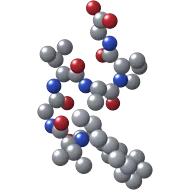 Palmitoyl Hexapeptide-12 Palmitoyl Hexapeptide-12 |
|
human RCT | 6 | — | Cosmetic ingredient | A lipidated elastin-fragment peptide used in topical firming and anti-ageing formulations. |
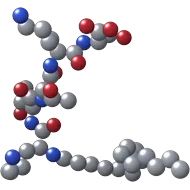 Palmitoyl Pentapeptide-4 (Matrixyl) Palmitoyl Pentapeptide-4 (Matrixyl) |
|
human RCT | 6 | — | Cosmetic ingredient | A lipidated procollagen fragment used topically, tested against placebo in photoaged facial skin. |
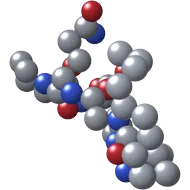 Palmitoyl Tetrapeptide-7 Palmitoyl Tetrapeptide-7 |
|
human RCT | 4 | — | In or past clinical trialsverified | A palmitoylated tetrapeptide used topically in skin inflammation, photoageing, and barrier research. |
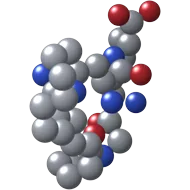 Palmitoyl Tripeptide-1 Palmitoyl Tripeptide-1 |
|
human RCT | 6 | — | Cosmetic ingredient | A palmitoylated GHK tripeptide applied topically in collagen, wrinkle, and skin-quality research. |
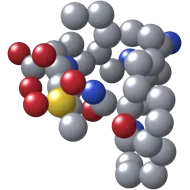 Palmitoyl Tripeptide-38 Palmitoyl Tripeptide-38 |
|
human RCT | 6 | — | Cosmetic ingredient | A palmitoylated tripeptide (Lys-Met-Lys motif) used topically in skin matrix and wrinkle research. |
| PEA |
|
human RCT | 6 | — | — | An oral fatty-acid amide for pain and inflammatory tone research. |
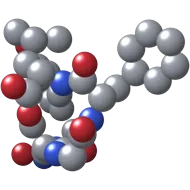 Pentapeptide-18 Pentapeptide-18 |
|
computational | 5 | — | Cosmetic ingredient | A leu-enkephalin analogue applied topically in expression-line, skin-texture, and pigmentation research. |
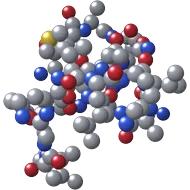 PGLa PGLa |
|
computational | 3 | — | Preclinical / research only | An antimicrobial peptide from Xenopus laevis skin, studied for membrane-permeabilising activity against bacteria. |
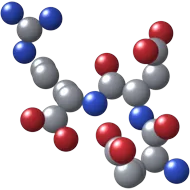 Pinealon Pinealon |
|
animal in vivo | 2 | — | Human research reportedunverified | A CNS trophic peptide positioned for cognitive resilience research. |
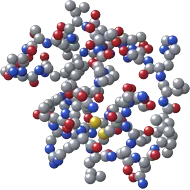 Pramlintide Pramlintide |
human RCT | 3 | 48 min | FDA approved | A synthetic analogue of human amylin, approved as mealtime insulin adjunct in type 1 and type 2 diabetes. | |
| Progesterone |
|
human RCT | 9 | 22.8 h | FDA approved | Progesterone is the endogenous C21 steroid produced by the corpus luteum, placenta and adrenal cortex. Micronisation reduces particle size so the oral form is absorbed well enough to be given as a capsule; the same molecule is also given vaginally and by intramuscular injection in oil. It is FDA-approved in the United States for preventing endometrial hyperplasia in non-hysterectomised postmenopausal women taking conjugated oestrogens, and for secondary amenorrhoea. |
| Proline-rich Antimicrobial Peptides (PrAMPs) |
|
animal in vivo | 6 | — | Human research reportedunverified | A family of cationic host-defence peptides, including bactenecin 7, studied for intracellular antibacterial action. |
| Psoriasin (S100A7) |
|
animal in vivo | 8 | — | Endogenous — not a therapeutic | An endogenous S100 host-defence protein secreted by epithelia, studied as a skin antimicrobial and inflammation marker. |
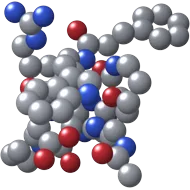 PT-141 PT-141 |
|
human RCT | 11 | 2.7 h | FDA approved | A central melanocortin arousal signal with FDA-approved HSDD context. |
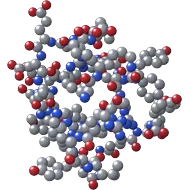 PYY3-36 PYY3-36 |
human RCT | 3 | — | In or past clinical trialsverified | The circulating form of the gut hormone peptide YY, studied for appetite and food-intake suppression. | |
| Relaxin |
|
human observational | 10 | 4.6 h | Human research reportedunverified | A peptide hormone; its recombinant H2 form, serelaxin, was trialled intravenously in acute heart failure. |
| Retatrutide | human RCT | 3 | 6 d | In or past clinical trialsverified | A triple-agonist metabolic signal for aggressive fat-loss research. | |
| RNase 7 |
|
human observational | 6 | — | Human research reportedunverified | An endogenous ribonuclease released by keratinocytes, studied as a skin-surface antimicrobial and immune modulator. |
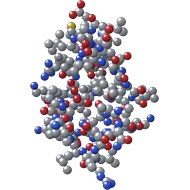 Sauvagine Sauvagine |
|
animal in vivo | 6 | — | Preclinical / research only | A 40-residue frog skin peptide of the corticotropin-releasing factor family, used as a research receptor agonist. |
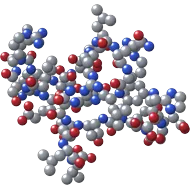 Secretin Secretin |
|
human RCT | 3 | 45 min | FDA approved | A duodenal hormone given intravenously as a diagnostic agent for pancreatic function and gastrinoma. |
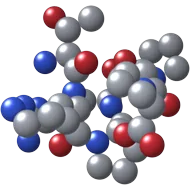 Selank Selank |
|
animal in vivo | 5 | — | Approved outside the USsource claim, unverified | An anxiolytic peptide signal for stress-resilience research. |
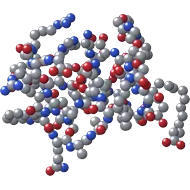 Semaglutide Semaglutide |
human RCT | 5 | 1 wk | FDA approved | A GLP-1 receptor agonist signal for weight and glycemic research. | |
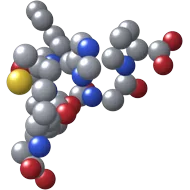 Semax Semax |
|
animal in vivo | 6 | — | Approved outside the USsource claim, unverified | A cognitive-drive peptide signal for focus and neural repair research. |
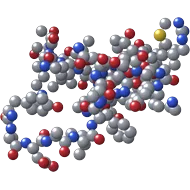 Sermorelin Sermorelin |
human RCT | 3 | 4 min | FDA approved | A GHRH analog for pituitary-led GH-pulse research. | |
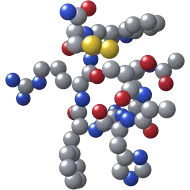 Setmelanotide Setmelanotide |
|
human RCT | 3 | 11 h | FDA approved | A cyclic alpha-MSH analogue approved for obesity caused by POMC, PCSK1, or LEPR deficiency. |
| Silk Peptides |
|
animal in vivo | 7 | — | Cosmetic ingredient | Hydrolysed silk proteins, mainly sericin and fibroin, used topically in skin hydration and ageing research. |
| Simonson Alpha 1 |
|
no sources yet | — | — | Human research reportedunverified | No summary on file. what this record holds |
| Snap-8 |
|
human observational | 5 | — | Cosmetic ingredient; no medicinal approval sought or granted in any jurisdiction | A topical cosmetic peptide, an eight-residue acetylated fragment patterned on the N-terminal end of SNAP-25, sold for the appearance of expression lines. Every peer-reviewed human study naming it tested it inside a multi-ingredient product, so no published result isolates what this peptide does on its own. |
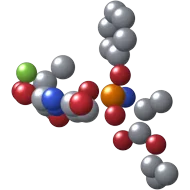 Sofosbuvir Sofosbuvir |
|
human RCT | 3 | — | FDA approved | An oral nucleotide analogue approved for chronic hepatitis C as part of combination antiviral therapy. |
| Soy Peptides |
|
in vitro | 3 | — | In or past clinical trialsverified | Enzymatic hydrolysates of soy protein, studied orally for blood pressure and topically for skin ageing. |
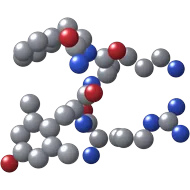 SS-31 SS-31 |
|
human RCT | 7 | — | — | A mitochondrial peptide signal for cristae and fatigue research. |
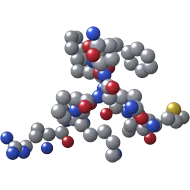 Substance P Substance P |
|
human RCT | 3 | — | In or past clinical trialsverified | An endogenous eleven-residue tachykinin, infused in research as a pain and headache provocation agent. |
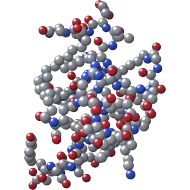 Survodutide Survodutide |
human RCT | 10 | — | Human research reportedunverified | A weekly injectable dual glucagon and GLP-1 receptor agonist trialled for obesity and MASH. | |
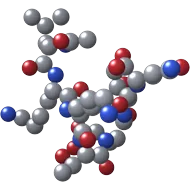 TB-500 TB-500 |
|
animal in vivo | 7 | 1.3 h | — | A soft-tissue repair signal for migration, recovery, and remodelling research. |
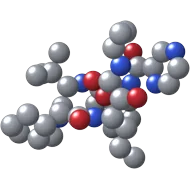 Telaprevir Telaprevir |
|
human RCT | 3 | — | FDA approved | An oral hepatitis C protease inhibitor, approved in 2011 and since withdrawn from the market. |
| Temporins |
|
animal in vivo | 6 | — | Preclinical / research only | A family of short antimicrobial peptides from frog skin secretions, studied against bacteria, fungi, and protozoa. |
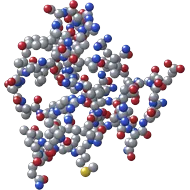 Tesamorelin Tesamorelin |
human RCT | 3 | 10 min | FDA approved | A GH-axis peptide signal for visceral-fat and recovery research. | |
| Testosterone |
|
human RCT | 8 | 1.1 wk | FDA approved | Testosterone is the principal endogenous androgen, given clinically as an ester in oil, a transdermal gel or patch, or an oral undecanoate. In men, the FDA-labelled indication is replacement in primary hypogonadism or hypogonadotropic hypogonadism, and the label figures below are male replacement figures. In women the evidence base is separate and far narrower: the 2019 Global Consensus Position Statement, endorsed by the Endocrine Society, the International Menopause Society and others, records postmenopausal hypoactive sexual desire disorder as the only evidence-based indication, and records insufficient evidence for cognition, mood, general wellbeing, bone mineral density and body composition. Doses studied in women are roughly an order of magnitude below male replacement doses. |
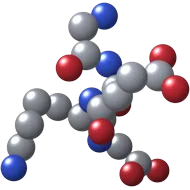 Tetrapeptide-21 Tetrapeptide-21 |
|
animal in vivo | 4 | — | Cosmetic ingredient | A synthetic matrikine tetrapeptide (GEKG) applied topically in extracellular matrix and wrinkle research. |
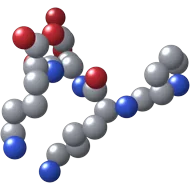 Tetrapeptide-30 Tetrapeptide-30 |
|
computational | 5 | — | Cosmetic ingredient | A synthetic tetrapeptide (PKEK) applied topically in skin tone and hyperpigmentation research. |
| Thymalin |
|
human observational | 5 | — | — | A thymic extract complex for immune-restoration research. |
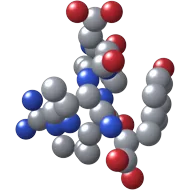 Thymopentin Thymopentin |
|
human observational | 10 | — | Human research reportedunverified | A synthetic pentapeptide matching thymopoietin residues 32-36, studied as an immune-modulating agent. |
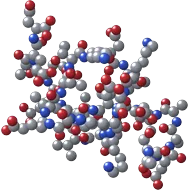 Thymosin alpha-1 Thymosin alpha-1 |
|
human RCT | 10 | 2 h | Approved outside the USsource claim, unverified | An immune-modulating peptide signal for post-viral and T-cell research. |
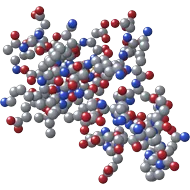 Thymosin Beta-4 Thymosin Beta-4 |
|
human RCT | 10 | 1.5 h | — | A full-length TB-4 signal for wound and anti-fibrotic research. |
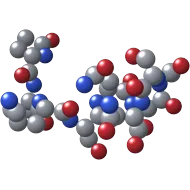 Thymulin Thymulin |
|
animal in vivo | 7 | — | Preclinical / research only | A zinc-dependent thymic signal for immune-stress research. |
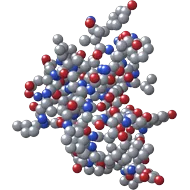 Tirzepatide Tirzepatide |
human RCT | 5 | 5 d | FDA approved | A dual incretin signal for weight and glycemic-control research. | |
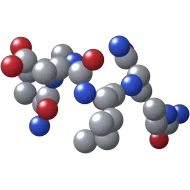 Tripeptide-10 Citrulline Tripeptide-10 Citrulline |
|
human RCT | 1 | — | Cosmetic ingredient | A citrullinated tripeptide mimicking decorin, applied topically in collagen structure and skin elasticity research. |
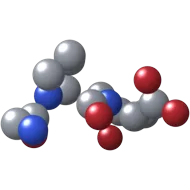 Tripeptide-29 Tripeptide-29 |
|
not graded | 1 | — | Cosmetic ingredient | A synthetic Gly-Pro-Hyp collagen motif tripeptide, studied for fibroblast activity and skin condition. |
| Urocortin |
|
animal in vivo | 3 | — | In or past clinical trialsverified | A family of corticotropin-releasing factor-related peptides infused in research on vasodilation and heart failure. |
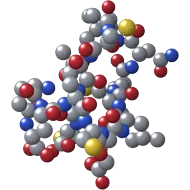 Uroguanylin Uroguanylin |
|
human RCT | 2 | — | Human research reportedunverified | An endogenous intestinal peptide hormone studied for fluid secretion, sodium balance, and gut-kidney signalling. |
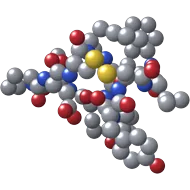 Urotensin II Urotensin II |
|
animal in vivo | 8 | — | Preclinical / research only | An endogenous cyclic peptide, among the most potent mammalian vasoconstrictors identified, studied in cardiovascular research. |
| Vasopressin |
|
human RCT | 12 | — | FDA approved | An endogenous nonapeptide hormone. In the United States it is FDA-approved only to raise blood pressure in adults with vasodilatory shock; its use in diabetes insipidus is not an approved indication. |
| Vaspin |
|
human observational | 8 | — | Endogenous — not a therapeutic | An endogenous adipokine (SERPINA12) studied as a metabolic marker and insulin-sensitivity signal. |
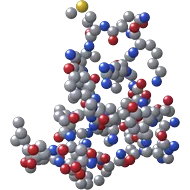 VIP VIP |
|
human observational | 12 | — | — | A vasoactive intestinal peptide signal for MCAS and dysautonomia research. |
| VK2735 | human RCT | 10 | — | Human research reportedunverified | An investigational weekly injectable dual GIP and GLP-1 receptor agonist trialled for weight management. | |
| Wheat Peptides |
|
human RCT | 3 | — | In or past clinical trialsverified | Enzymatic hydrolysates of wheat protein, studied orally for blood pressure and topically as skin conditioners. |